Understand Your Options After a Cryptocurrency Scam
If you've lost cryptocurrency through a scam or suspicious platform, get professional assistance reviewing your case, analyzing transaction activity, and understanding potential next steps.

Welcome to First funds recovery

Cryptocurrency has created new opportunities, but it has also led to increasingly complex scams and fraudulent schemes. If you have lost cryptocurrency through a suspicious investment, fake platform, phishing attack, or other form of crypto fraud, understanding what happened is an important first step.
First Funds Recovery provides cryptocurrency scam recovery assistance by reviewing available transaction records, wallet addresses, communications, and other relevant case information. Our team uses blockchain analysis and case-specific assessment to help identify transaction activity and potential options based on your circumstances.
Every cryptocurrency scam case is different. The availability of tracing, reporting, dispute, or recovery options depends on factors such as the transaction history, platforms involved, available evidence, jurisdiction, and third-party cooperation.
Cryptocurrency scams are fraudulent schemes designed to deceive individuals into sending cryptocurrency, sharing sensitive information, or investing through illegitimate platforms.
These scams can take many forms, including fake investment opportunities, phishing attacks, impersonation schemes, fraudulent trading platforms, and misleading cryptocurrency projects.

Ponzi and pyramid schemes may promise unusually high or consistent returns while using money from new participants to pay earlier participants rather than generating legitimate investment returns.

Fraudulent emails, messages, or websites may be designed to obtain private keys, login credentials, wallet information, or other sensitive data.

Scammers may impersonate public figures, company representatives, financial professionals, or other trusted individuals to persuade victims to send cryptocurrency or disclose sensitive information.

Fraudulent investment opportunities may use misleading information, fabricated account balances, or promises of unusually high or guaranteed returns to encourage people to deposit money or cryptocurrency.

Fraudsters may present themselves as cryptocurrency investment managers and claim to generate profits while gaining access to or taking control of a victim's funds.

Fraudulent trading websites may appear legitimate and display account balances or investment profits while restricting withdrawals or demanding additional payments.
We begin with a consultation to understand what happened and review the basic circumstances of the cryptocurrency scam. Available transaction information and communications can help us determine appropriate next steps for the case review.
Relevant evidence can include wallet addresses, transaction IDs, screenshots, emails, messages, payment records, and information about the platform or individuals involved. Organizing this information helps establish a clearer understanding of the case.

Available blockchain transaction data may be analyzed to better understand how cryptocurrency moved between wallet addresses and potentially identify relevant platforms or services.
Depending on the circumstances, available information may support reports or communications with relevant exchanges, financial institutions, service providers, regulators, law enforcement, or other appropriate parties.
Based on the available evidence and transaction analysis, we assess potential reporting, tracing, dispute, and recovery options that may be appropriate for the case.
We begin with a consultation to understand what happened and review the basic circumstances of the cryptocurrency scam. Available transaction information and communications can help us determine appropriate next steps for the case review.
Relevant evidence can include wallet addresses, transaction IDs, screenshots, emails, messages, payment records, and information about the platform or individuals involved. Organizing this information helps establish a clearer understanding of the case.
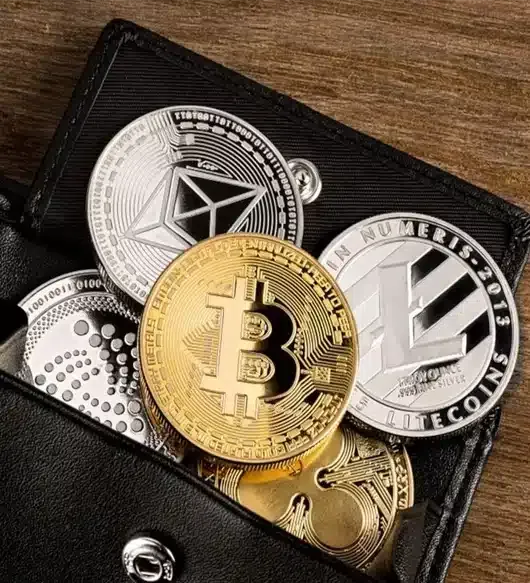
Available blockchain transaction data may be analyzed to better understand how cryptocurrency moved between wallet addresses and potentially identify relevant platforms or services.
Depending on the circumstances, available information may support reports or communications with relevant exchanges, financial institutions, service providers, regulators, law enforcement, or other appropriate parties.
Based on the available evidence and transaction analysis, we assess potential reporting, tracing, dispute, and recovery options that may be appropriate for the case.

Our team reviews cryptocurrency scam cases involving blockchain transactions, suspicious platforms, blocked withdrawals, and other forms of digital asset fraud.

We review available transaction information and blockchain activity to help clients better understand how cryptocurrency may have moved after a suspected scam.

We provide case-specific support throughout the review process, helping clients understand the available information and potential next steps.

We take the confidentiality of case information seriously and handle the information provided to us with appropriate care throughout the review process.

Our team reviews cryptocurrency scam cases involving blockchain transactions, suspicious platforms, blocked withdrawals, and other forms of digital asset fraud.

We review available transaction information and blockchain activity to help clients better understand how cryptocurrency may have moved after a suspected scam.

We provide case-specific support throughout the review process, helping clients understand the available information and potential next steps.

We take the confidentiality of case information seriously and handle the information provided to us with appropriate care throughout the review process.
If you've lost cryptocurrency through a scam, suspicious investment, or fraudulent platform, consider having your case reviewed before taking further action.
Protecting yourself from cryptocurrency scams starts with being cautious about who you trust with your money and account information.
Use strong, unique passwords and enable two-factor authentication where available. Research cryptocurrency platforms and investment opportunities independently before sending funds.
Be cautious of unsolicited investment offers, guaranteed returns, pressure to act immediately, or requests to send additional cryptocurrency to release a withdrawal.
Never share private keys, recovery phrases, passwords, or other sensitive wallet information with unknown individuals or unverified services.
If a platform asks you to pay additional taxes, verification fees, compliance charges, or other unexpected payments before releasing your funds, independently verify the request before sending more money.


Tell us about your situation and our team will review your case.


Tell us about your situation and our team will review your case.
Frequently Asked question
Cryptocurrency scam recovery refers to steps that may be taken after cryptocurrency has been lost through fraud or unauthorized activity. These can include reviewing evidence, analyzing blockchain transactions, reporting the incident, contacting relevant service providers, and assessing potential recovery options. Recovery is not guaranteed and depends on the circumstances of each case.
Look for a service provider that clearly explains its services, fees, limitations, business information, and the steps involved in reviewing a case. Be cautious of providers that guarantee recovery, promise specific results, or pressure you to make immediate payments.
First Funds Recovery reviews cases involving Ponzi and pyramid schemes, phishing attacks, impersonation scams, fake cryptocurrency trading platforms, fraudulent investment opportunities, fake investment managers, and other forms of cryptocurrency fraud.The assistance available depends on the circumstances and information available in each case.
Fee structures vary between service providers and can depend on the services being provided. Before engaging any recovery service, make sure you receive clear information about applicable fees, payment terms, conditions, and the scope of the service.
If you've lost cryptocurrency through a scam, stop sending additional funds and preserve relevant evidence such as transaction IDs, wallet addresses, screenshots, emails, and messages.Depending on the circumstances, you may consider reporting the incident to relevant authorities, contacting financial or cryptocurrency service providers, and obtaining professional assistance to review potential tracing or recovery options.
Stop further payments and preserve all available evidence. Record wallet addresses, transaction IDs, platform details, emails, messages, screenshots, and payment information.Consider reporting the incident to relevant authorities or service providers and independently reviewing the options available based on your circumstances.
Start by collecting available evidence, including transaction records, wallet addresses, communications, screenshots, and information about the platform involved.Depending on your location and circumstances, you may report suspected cryptocurrency fraud to relevant law-enforcement agencies, regulators, financial institutions, cryptocurrency platforms, or other appropriate organizations.Reporting fraud does not guarantee the recovery of lost funds.
There is no standard cryptocurrency recovery timeline. The time required depends on factors such as transaction activity, available evidence, platforms involved, jurisdiction, third-party cooperation, and the complexity of the case.Blockchain analysis or transaction tracing may provide useful information, but neither guarantees recovery or a specific timeframe.